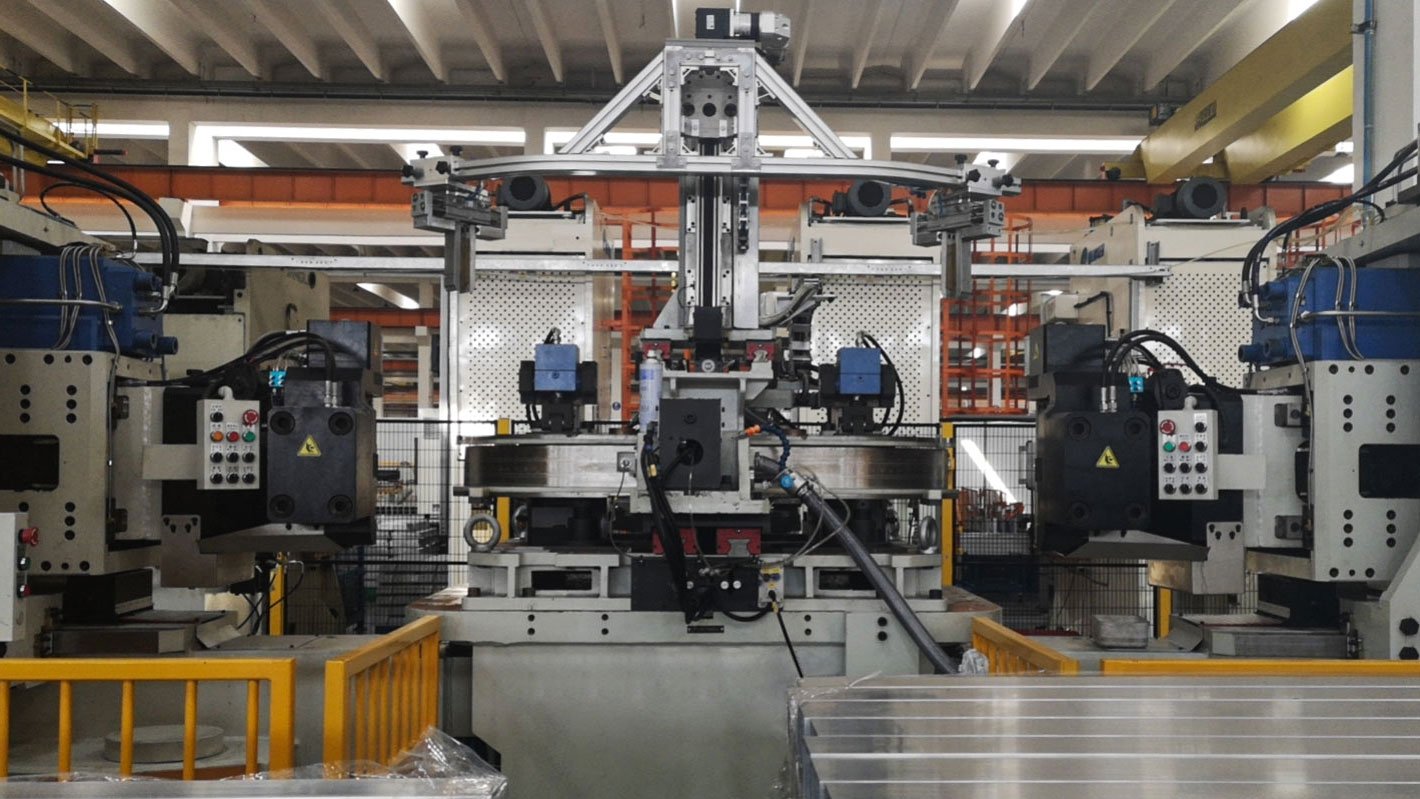
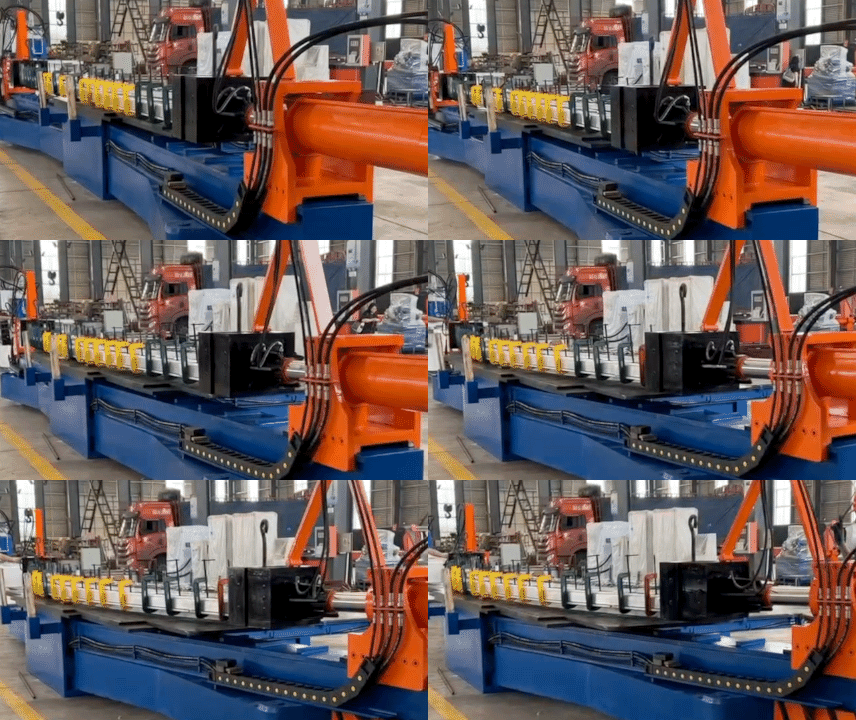
Stretch forming has become one of the most reliable methods for shaping aluminum and other ductile metals into smooth, high-quality curves. Whether you’re forming aerospace skins, automotive body panels, or architectural components, stretch forming offers accuracy, cleaner surfaces, and less springback compared with many conventional bending methods. This guide walks you through the applications, benefits, and limitations of stretch forming—helping engineers, manufacturers, and designers understand when this process delivers the best performance and when alternative forming methods may be more suitable.

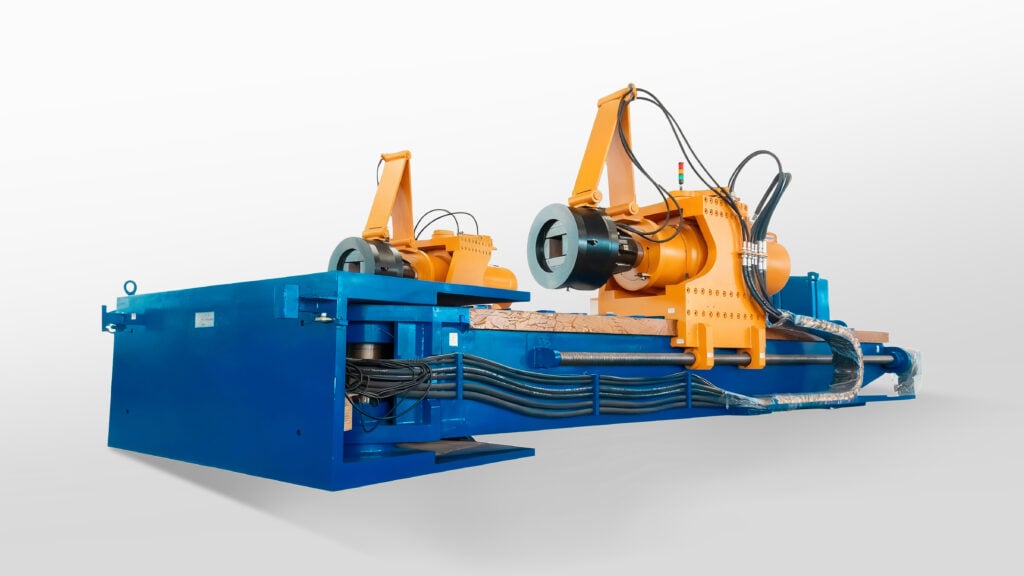

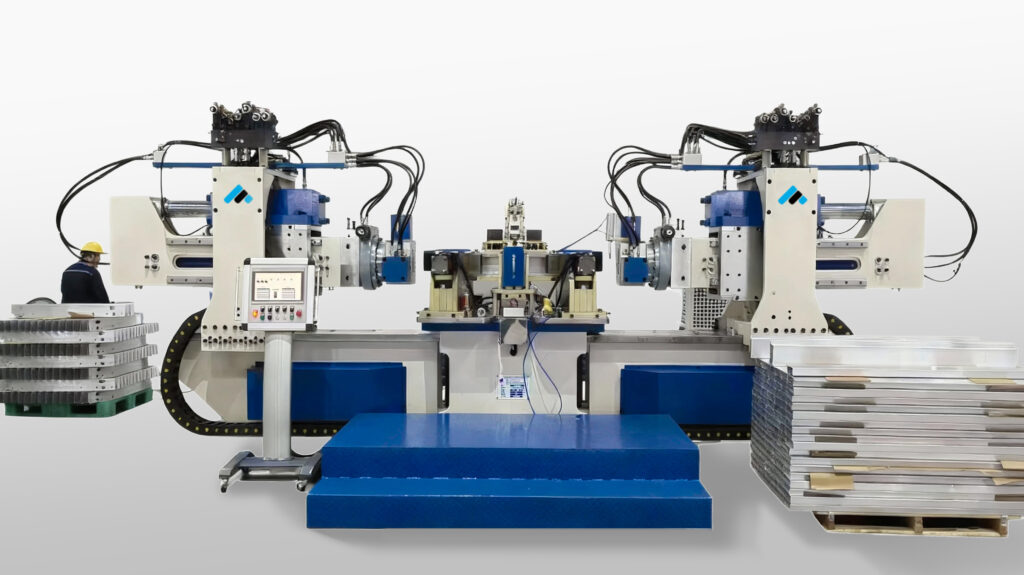
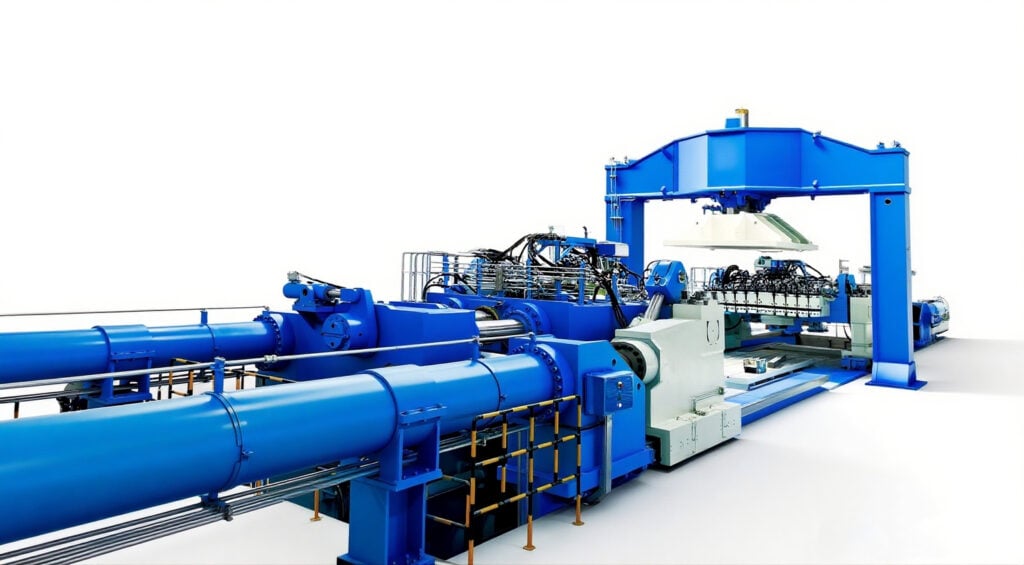
Application Of Stretch Forming
Stretch forming is ideal for producing smooth, large-radius shapes with excellent surface quality. From aerospace skins to automotive body structures, it is used when other forming methods fall short or require far higher cost, especially on materials like aluminum, titanium, and heat-resistant alloys.
Stretch forming provide better shape control and surface quality than roll bending parts.
- Almost any shape that can be produced by other sheet-forming methods can be produced by stretch forming. Drawn shapes that involve metal flow, particularly straight cylindrical shells, and details that result from such compression operations as coining and embossing cannot be made. However, some embossing is done by the mating-die method of stretch draw forming
- Stretch forming is used to form aerospace parts from steel, nickel, aluminum, and titanium alloys and other heat-resistant and refractory metals. Some of these parts are difficult or impossible to form by other methods, for example, the titanium alloy gas-turbine ring
- Stretch forming is also used to shape automotive body panels, both inner and outer, and frame members that could be formed by other processes but at a higher cost.
Advantages Of Stretch Forming
Compared with conventional press forming, stretch forming can lower force requirements, reduce material costs, and deliver cleaner, wrinkle-free surfaces. It offers better dimensional control, reduced springback, and uniformly strengthened parts—making it a preferred approach for precision curved components.
Stretch forming has the following advantages over conventional press forming methods:
- Approximately 70% less force is needed than that required for conventional press forming.
- Stretch forming can reduce material costs by as much as 15%. Although allowance must be made on the stock for gripping, it is gripped on two ends only. The allowance for trimming is usually less than that in conventional press forming.
- Because stretch forming is done on the entire area of the workpiece, there is little likelihood of buckles and wrinkles. Tensile strength is increased uniformly by approximately 10%.
- Hardness is increased by approximately 2%.
- Springback is greatly reduced. There is some springback, but it is easily controlled by over forming.
- Residual stresses are low in stretch-formed parts.
- Form blocks are made of inexpensive materials, such as wood, plastic, cast iron, or low carbon steel, and are approximately one-third the cost of conventional forming dies. If the workpiece is formed hot, the dies must be able to withstand the forming temperature. However, most stretch forming is done at room temperature.
Limitations Of Stretch Forming
Despite its strengths, stretch forming is not a universal solution. Some materials, geometries, and production conditions restrict the process’s effectiveness. Understanding these limitations helps manufacturers choose the most practical, cost-efficient forming method for each application.
Stretch forming is subject to the following limitations:
- It is seldom suited to progressive or transfer operations.
- It is limited in its ability to form sharp contours and reentrant angles. It is at its best in forming shallow or nearly flat contours.
- If the piece is not pinched between mating dies, there is no opportunity to coin out or iron out slight irregularities in the surface of the metal.
- In some applications, especially in stretch wrapping, the process is slower than competitive processes, and it is not suited to high-volume production. However, stretch draw forming with mating dies can be done as rapidly and automatically as conventional press operations. In fact, punch presses are used with dies incorporating draw beads or other means of gripping the blank in order to perform some stretch-forming operations.
- Metals with yield strength and tensile strength very nearly the same, such as titanium, necessitate the use of automatic equipment for determining the amount of strain for uniform results
Top 9 Engineering Challenges in Stretch Forming
- Material Properties: Stretch forming is most effective with ductile materials, such as aluminum and some other non-ferrous alloys. Brittle materials or those with limited ductility may not be suitable for stretch forming as they can crack or fracture during the process.
- Thickness Variation: Stretch forming may result in non-uniform thickness distribution across the formed part, especially in regions with tight radii or complex shapes. Thin sections may experience excessive thinning, potentially affecting structural integrity.
- Maximum Curvature: There’s a limit to how tight the radii or curvature can be achieved with stretch forming. Extremely tight radii can cause excessive strain on the material, leading to defects or even material failure.
- Springback: Like many metal forming processes, stretch forming can cause springback, where the formed part partially returns to its original shape after releasing the forming forces. This effect must be considered and compensated for in the design.
- Tooling Costs: Developing precise and complex tooling for stretch forming can be expensive, especially for one-off or low-volume production runs. This makes stretch forming more economical for larger production quantities.
- Surface Finish: Stretch forming can leave marks or imperfections on the material’s surface due to contact with the forming die. Careful tooling design and lubrication can mitigate this, but it’s important to consider the required surface finish.
- Limited to Sheet Metal: Stretch forming is primarily used for sheet metal or extruded profiles. It may not be suitable for forming solid or thicker components, which could require other forming methods like forging or machining.
- Complexity: While stretch forming is excellent for producing simple and moderately complex shapes, extremely intricate or highly contoured forms may be challenging to achieve with this process. Deep draws and tight radii can be problematic.
- Tolerances: Achieving tight tolerances across the entire formed part can be challenging, particularly in large or complex components. Dimensional variations should be considered in the design and quality control process.
Stretch forming remains one of the most effective techniques for producing smooth, accurate, and aesthetically refined curved components. Its ability to reduce springback, improve surface quality, and shape large-radius parts makes it indispensable in industries such as aerospace, automotive, architecture, and marine manufacturing. While the process does have constraints—particularly related to material ductility, complexity of contours, and tooling costs—understanding these limitations ensures better design choices and more reliable production outcomes. By applying stretch forming where it excels, manufacturers can achieve high performance, repeatable quality, and long-term cost efficiency.