Skip to content
首页 » Section Bending

Section Bending

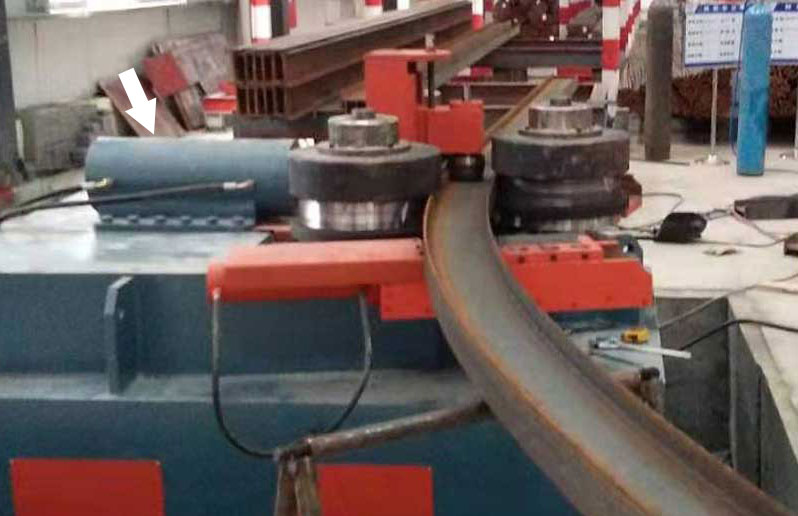
Section bending, alsao called profile bending, is done in a wide variety of metals in various ways.

Mastering Bend Allowance Calculations: A Comprehensive Guide

Mastering Bend Allowance Calculations: A Comprehensive Guide

Mastering bend allowance calculations is indispensable for achieving precision in metal fabrication. By meticulously following each step outlined in this guide, you can enhance the accuracy and efficiency of your bending operations. Armed with a thorough understanding of bend allowance principles, you’re well-equipped to tackle complex bending challenges with confidence and expertise.

Cable Ladders and Cable Trays: A Comprehensive Guide

Exploring Cable Ladders and Cable Trays: A Comprehensive Guide

Cable ladders are preferred for supporting high volume or heavy cabling, especially if there are long spans between supports.

Cable trays are typically used for light weight cable support, in addition to instrumentation and tubing.

In most cases, cable ladders are the preferred choice. However, when aesthetics and concerns about radio/electromagnetic interference are important factors, cable trays are more suitable. Cable trays can also be used to protect sensitive cables and piping.

Method for Fabricating 90-Degree Bend Elbows for Cable Tray

Method for Fabricating 90-Degree Bend Elbows for Cable Tray

Making bent elbows for cable trays according to the formulas provided in the diagram is for reference only. The data is directly related to the width or height of the cable tray, and calculations can be made based on the formulas given in the diagram.

Channel Bending and Springback: Strategies to Compensate for Material Deformation

Channel Bending and Springback: Strategies to Compensate for Material Deformation

Compensating for material deformation and springback in channel bending is a critical aspect of achieving accurate and high-quality fabricated parts.

Understanding the factors influencing springback, such as material properties, bend radius, and bend angle, is essential.

Employing compensation techniques like overbending, springback calculation, multi-pass bending, and careful material selection can help mitigate springback effects and ensure that the final product meets the desired specifications.