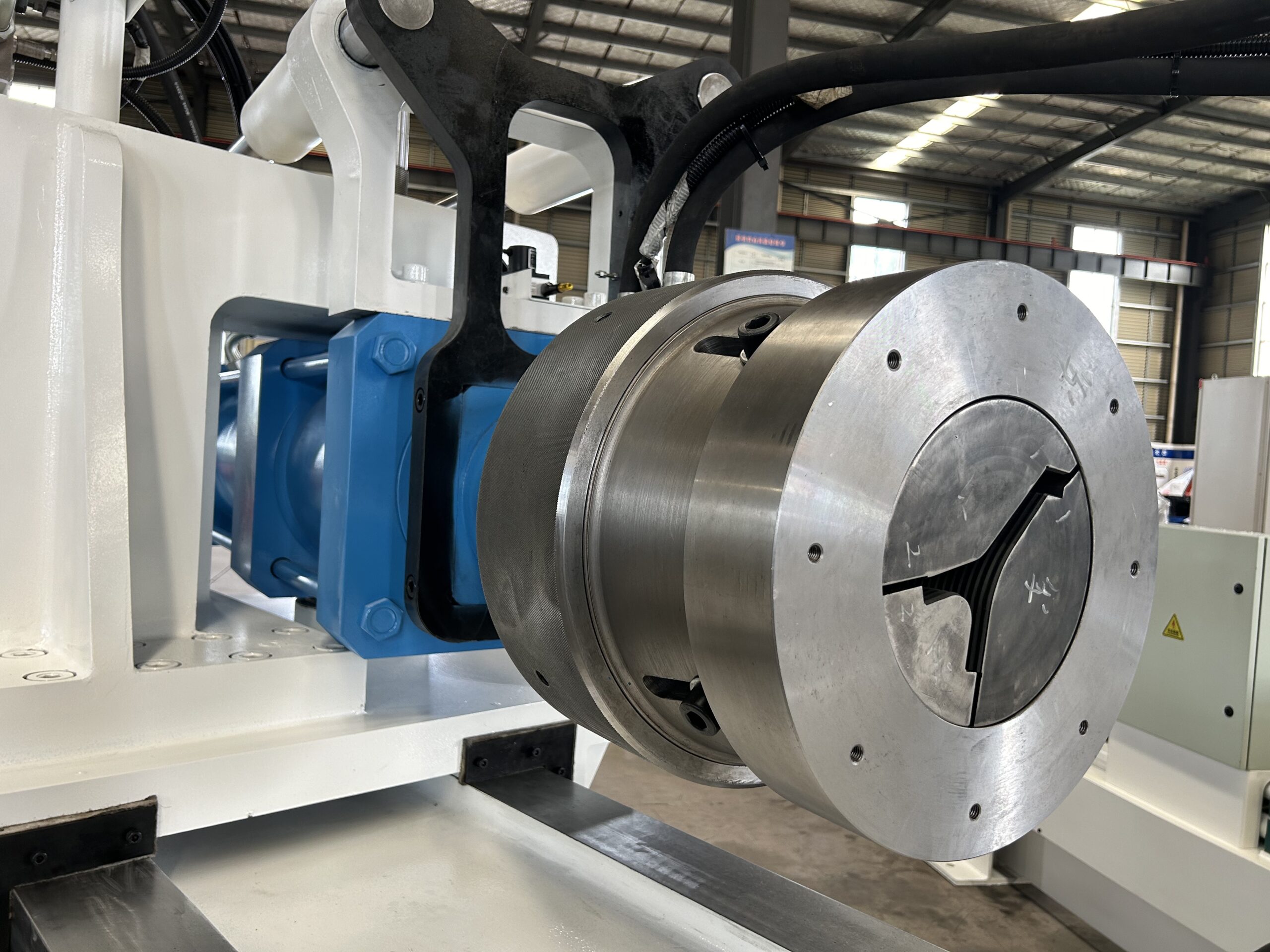
At first glance, a C-channel doesn’t look complicated. It’s just a simple open profile—two flanges and a web. But once bending begins, the behavior quickly becomes unpredictable. The flanges tend to wrinkle, the web can buckle, and the entire section may twist if it isn’t properly supported.
That’s why C channel bending is less about applying force and more about controlling how the material deforms.
Roll Bending and the Role of a C Channel Bending Machine

In most industrial environments, roll bending is the preferred method. Instead of forcing the material into shape in a single step, the profile passes through three rollers, gradually forming the desired radius. This spreads the stress along the length of the channel, reducing distortion and maintaining surface quality.
This is where modern equipment makes a difference. Machines like the PBC series profile bending machine are built around controlled deformation. With synchronized rollers and precise adjustment, the process becomes stable and repeatable. Rather than reacting to defects, operators can prevent them—reducing flange wrinkling and keeping the web stable throughout the bend.
For open sections like C-channel, this level of control is essential. Even small inconsistencies in force can introduce twist or asymmetry. By maintaining balanced pressure, the profile bends as a whole, resulting in smoother and more predictable curves.
Alternative Methods for Tighter or Complex Bends
Not every application allows for large-radius bending. When tighter control or sharper geometry is required, other methods come into play.
Draw bending is often used for precision parts, where tooling must closely match the channel profile to support both flanges and the web. Without proper dies, deformation becomes unavoidable.
Material behavior also matters, especially with aluminum. Harder alloys may crack during bending, which is why localized heating is sometimes used to soften the material and reduce forming stress. While effective, this introduces additional considerations such as oxidation and thermal control.
For very sharp bends, fabricators may use notching—cutting V-shaped sections into the flanges to allow the channel to fold more easily. In low-volume or field situations, manual methods like using a vise or lever are still used, though they come with reduced precision and higher risk of distortion.
Controlling Defects and Achieving Consistency
Regardless of the method, the same issues tend to appear. The web may collapse when under compression, flanges may wrinkle without proper support, and uneven forces can cause twisting.
Orientation also plays a critical role. Whether bending flanges in, flanges out, or along the “hard way” directly affects tooling requirements and final quality.
Radius is another limiting factor. The tighter the bend, the greater the risk of defects. Open sections like C-channel are especially sensitive and do not tolerate extreme deformation as well as closed profiles.
In the end, bending a C-channel is a balancing act. With the right machine—especially a controlled roll bending system like the PBC series—combined with proper tooling and an understanding of material behavior, the process becomes stable and repeatable.
That’s when bending stops being a struggle and starts becoming a process.